


Best Bone Conduction Headphones for Running (Comparison Guide 2026)
Best Bone Conduction Headphones for Running 2026 | Waterproof & Heart Rate Models Compared
Explore the best bone conduction headphones for running in 2026. Compare traditional vs smart models with heart rate monitoring, IPX8 waterproofing, Bluetooth 6.0, and sport features
Running is one of the most popular fitness activities worldwide, and the demand for safe, comfortable, and durable sports headphones continues to grow.
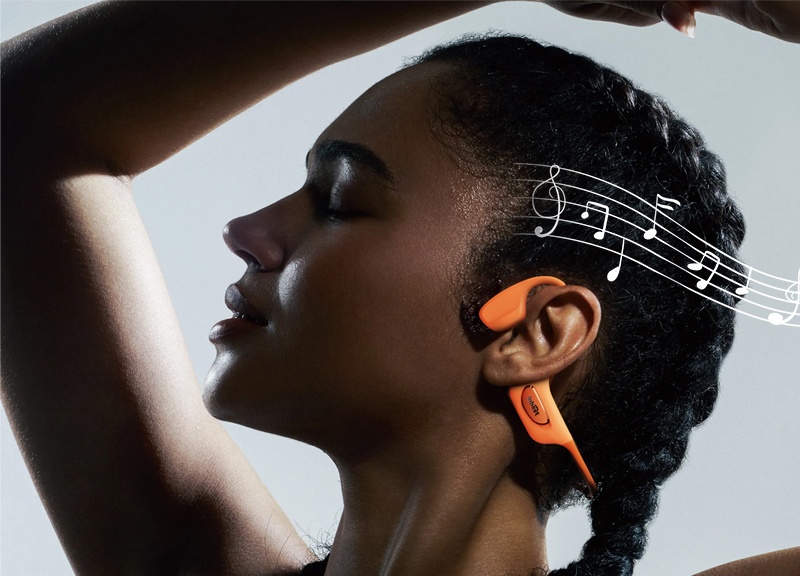
Unlike traditional earbuds that block the ear canal, bone conduction headphones allow runners to enjoy music while staying aware of surrounding sounds such as traffic, cyclists, and environmental noise.
In 2026, the category has evolved significantly. Runners are no longer choosing headphones based only on sound quality — they are now looking for comfort, safety, waterproof performance, and even health tracking features.
This guide compares different types of bone conduction headphones and helps you understand which model is better for running.
What Makes Bone Conduction Headphones Ideal for Running?
Before comparing models, it is important to understand why bone conduction technology is widely used in sports.
Key advantages include:
- Open-ear design for environmental awareness
- Reduced ear fatigue during long runs
- Stable fit during movement
- Safer for outdoor running and cycling
Because of these benefits, they have become a preferred choice for marathon runners and outdoor fitness users.
Traditional vs Smart Bone Conduction Headphones
Not all bone conduction headphones are the same. The main difference today lies in whether they include smart fitness features.
Traditional Models
Traditional running headphones typically focus on:
- Music playback
- Basic Bluetooth connectivity
- Lightweight design
- Sweat resistance
They are suitable for casual runners or beginners.
Smart Running Models
New-generation models add more advanced features such as:
- Heart rate monitoring
- Step tracking
- Activity data analysis
- Offline music storage (TF card support)
- Enhanced waterproof protection
This makes them closer to a sports wearable device rather than just headphones.
Key Factors to Consider When Choosing Running Headphones
1. Comfort and Weight
For running, weight matters more than most people realize.
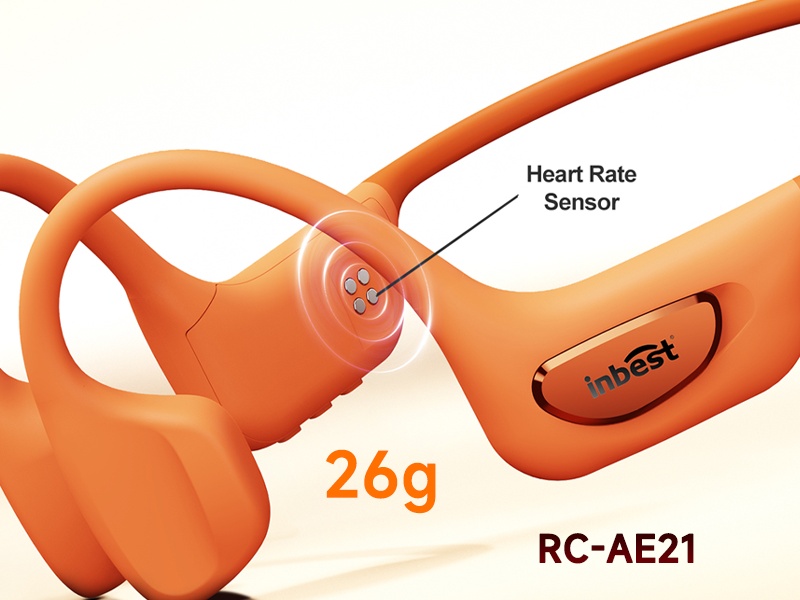
Lightweight designs (around 26g) reduce pressure during long-distance running and help maintain stable wearing performance.
2. Waterproof Performance
Running conditions are not always predictable.
- Basic models: sweat resistant
- Advanced models: IPX8 waterproof (rain + swimming support)
For outdoor runners, waterproof rating is a key decision factor.
3. Battery and Playback Options
Running sessions can last from 30 minutes to several hours.
Modern models often support:
- Long battery life for extended workouts
- TF card offline playback (no phone required)
This is especially useful for long-distance runners.
4. Safety During Night Running
Visibility is important for evening runners.
Some advanced models include:
- LED breathing light indicators
- Increased visibility in low-light environments
This improves safety during night training.
5. Fitness Tracking (Smart Models)
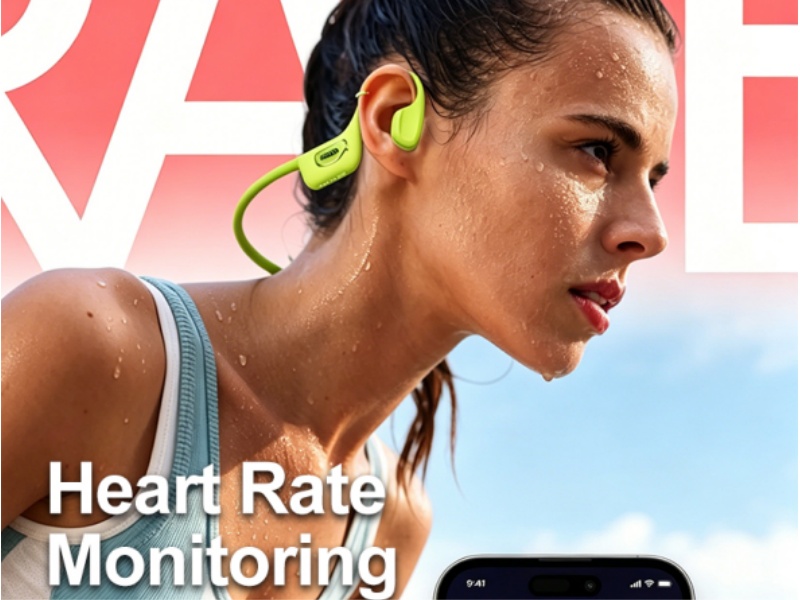
One of the biggest upgrades in newer bone conduction headphones is health tracking.
Smart versions may include:
- Real-time heart rate monitoring
- Step counting
- Training intensity feedback
This helps runners understand their performance in real time.
Comparison Overview
| Feature | Traditional Running Headphones | Smart Bone Conduction Headphones |
| Music Playback | ✔ | ✔ |
| Comfort for Running | ✔ | ✔ |
| Heart Rate Monitoring | ✘ | ✔ |
| Step Tracking | ✘ | ✔ |
| IPX8 Waterproof | ✘ | ✔ |
| Offline Music (TFCard) | ✘ | ✔ |
| Night Safety Lighting | ✘ | ✔ |
Which One Is Better for Running?
Choose Traditional Models If:
- You are a beginner runner
- You only need basic music playback
- You want a lower-cost option
Choose Smart Models If:
- You run regularly or long-distance
- You want fitness data tracking
- You train outdoors in different environments
- You prefer multifunctional sports wearables
Traditional models focus on audio.
Smart models focus on performance and data.
Market Trend: Why Smart Running Headphones Are Growing
The running audio market is shifting toward more intelligent and data-driven devices.
Key trends include:
- Increased demand for fitness tracking wearables
- Growth of outdoor running communities
- Integration of health data into daily devices
- Preference for all-in-one sports solutions
Bone conduction headphones are evolving from simple audio devices into smart fitness companions.
Final Thoughts
For runners in 2026, choosing headphones is no longer just about sound quality.
It is about:
- Safety during outdoor movement
- Comfort during long sessions
- Real-time fitness awareness
- Flexibility in different environments
Bone conduction headphones continue to be one of the best options for running, and smart versions are pushing the category even further.
If you are looking for OEM or wholesale running headphone solutions, smart bone conduction models represent a strong growing segment in the global sports wearable market.
RONC – Your Trusted Smart Products Manufacturer and OEM Partner.
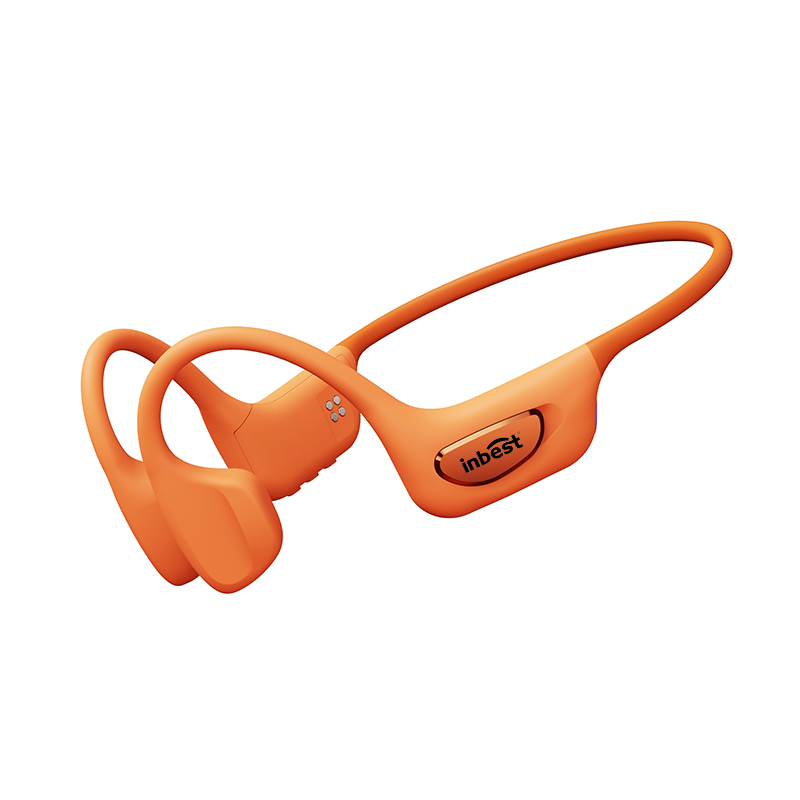
INBEST Bone Conduction Sports Headphones with Smart AI Translation RC-AE21
Model: RC-AE21 (Heart Rate Edition)
Main Chipset: AC7006 F8
Bluetooth Version: Bluetooth V6.0
Biometric Tracking: Heart Rate Monitoring, Step Counting, Rhythm/Pace Broadcasts
Battery Capacity: 3.8V / 180mAh
Working Time: > 5 hours
Charging Time: < 2 hours
Connection Distance: > 10 meters / 360°
Control & Charging Interface: Mechanical Buttons + Magnetic Interface (with Data Transmission)
Built-in TF Card Storage Support: 32GB / 16GB / 8GB / 4GB
Companion App: RDBuds
Net Weight: 26g (Device only) / 28g (With accessories)
Package Total Weight: 162g